Food as Medicine Product Review
Dr. Mak’s Cinnamon Overnight Oats: A Food as Medicine Review
By Maggie Gartman, MS, RDN, IFNCP • Reviewed August 2026 • 7-minute read
A dive into the ingredients, nutrition profile, and simple ways to build a more sustaining breakfast at home or while traveling.
The short answer:
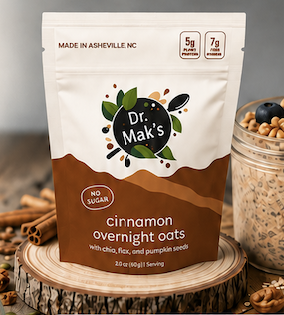
Dr. Mak’s Cinnamon Overnight Oats is an asheville based, whole-food, fiber-forward breakfast base with only 2 grams of added sugar and a minimal 85 milligrams of sodium per serving.
It is a great example of a locally Produced healthy swap for those needing a clean, quick/easy breakfast or anytime snack.
More than breakfast—it’s how you jumpstart the day.
What you eat in the morning can shape more than hunger. Depending on the person and the meal, breakfast may influence energy, concentration, appetite regulation, glucose response, and performance for the whole day.
Many people struggle with what to eat for breakfast – it can be hard to find the balance between the need for something nourishing while also meeting the realities of getting out the door – quick and easy is often a key factor
Why so many clients ask me for product recommendations
Many of my clients ask a practical question: Which packaged foods do you actually recommend? They want convenience without feeling that they are giving up ingredient quality, nutrition, or the values that guide how they feed themselves and their families. That question is one reason I use a Food as Medicine product-audit framework to put product recommendations to the test.
I also use these recommendations to bring attention to lesser-known producers—especially small and regional businesses—creating thoughtful foods with organic and locally sourced ingredients.
Dr. Mak’s is one great example: an Asheville, North Carolina–based brand offering a convenient product built around recognizable whole-food ingredients. Combining local food sourcing and a careful review of nutritional evidence, are key components of how I think about quality, access, and the food systems that nourish a community.
That is how I first came across Dr. Mak’s. During one of my Saturday farmers-market adventures—I stopped in for a sample of his cinnamon overnight oats. We started talking about why he developed the product, the goals and values behind the brand, and the kind of breakfast experience he hoped to offer.

Try it! Samples available at local Farmers Markets throughout WNC
The conversation felt immediately relevant to my practice. Many of my clients already eat overnight oats, or are interested in trying them, but they are also looking for convenient products made with recognizable, high-quality ingredients. Dr. Mak’s appeared to be speaking directly to that need. Our market conversation prompted me to look beyond the sample and evaluate how the product holds up through a Food as Medicine lens.
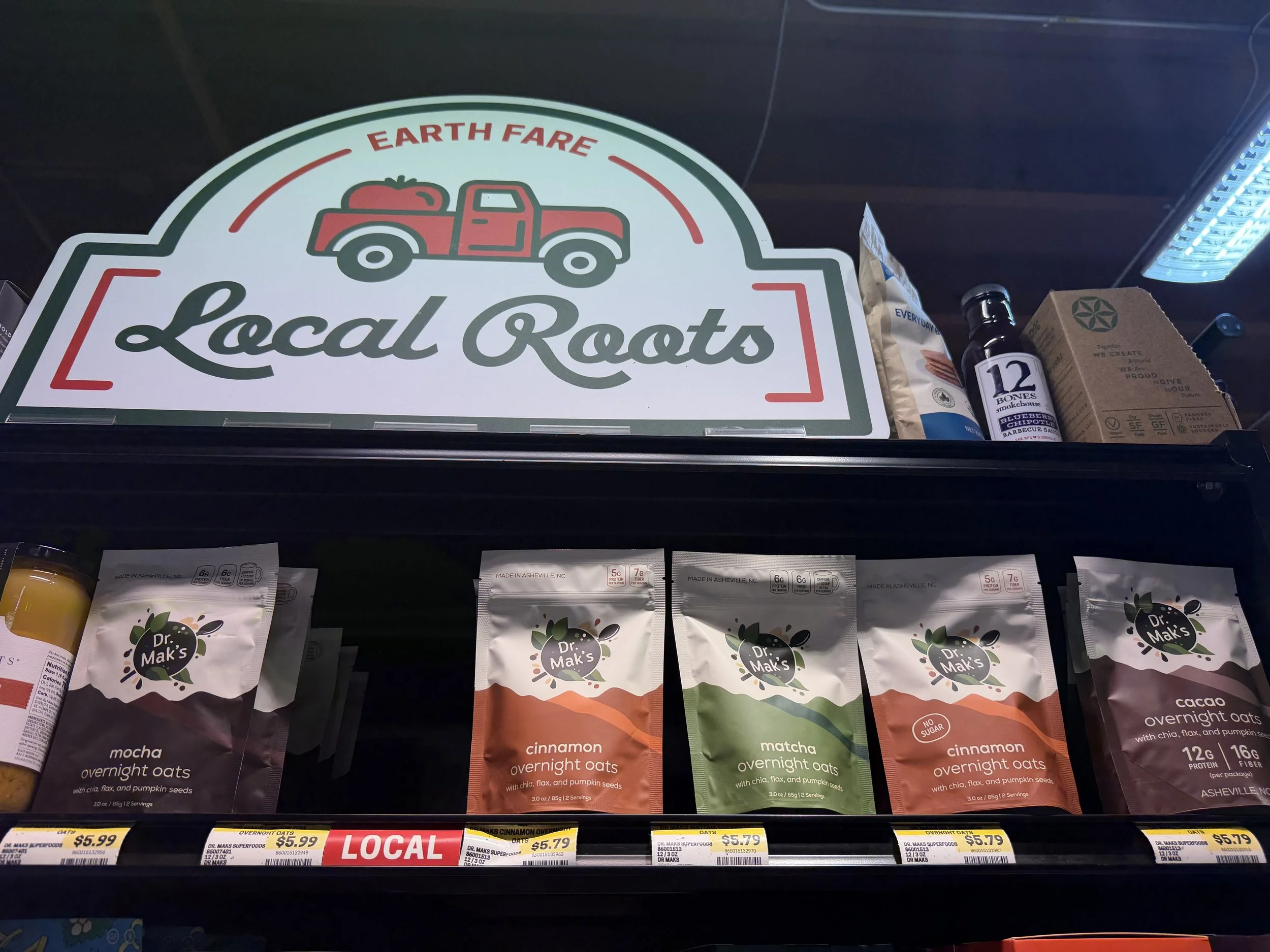
Dr. Mak’s can be found through at French Broad Food Co-op, at participating Earth Fare locations, through other regional retailers, online at his website, and at select farmers markets in the WNC region. (Note: Availability and market schedules can change, so confirm the current location before making a special trip). Choosing a locally made product helps smaller producers become more visible, strengthens relationships among makers, independent retailers, practitioners, and customers, and keeps community food spaces active—not only as places to shop, but also as places to meet the people behind the food.
I define a high-quality food holistically. I look for a nourishing ingredient foundation; meaningful fiber, protein, healthy fats, or micronutrients; reasonable added sugar and sodium; and a product that tastes great and fits the goals for optimal meal balance. I also consider sourcing, transparency, sustainability, digestive tolerance, cultural fit, affordability, accessibility, and whether the food solves a real-life problem. “High quality” does not mean perfect, unprocessed, or the best fit for everyone.
Processing is not automatically negative. Cooking, freezing, fermenting, grinding, canning, and combining ingredients are all forms of processing that can improve safety, shelf life, convenience, digestibility, or nutrient availability. A useful review therefore asks what processing changed: Did it preserve a recognizable food matrix and useful nutrients, or did it mostly create a highly refined vehicle for added sugars, sodium, fats, flavors, and rapid eating?
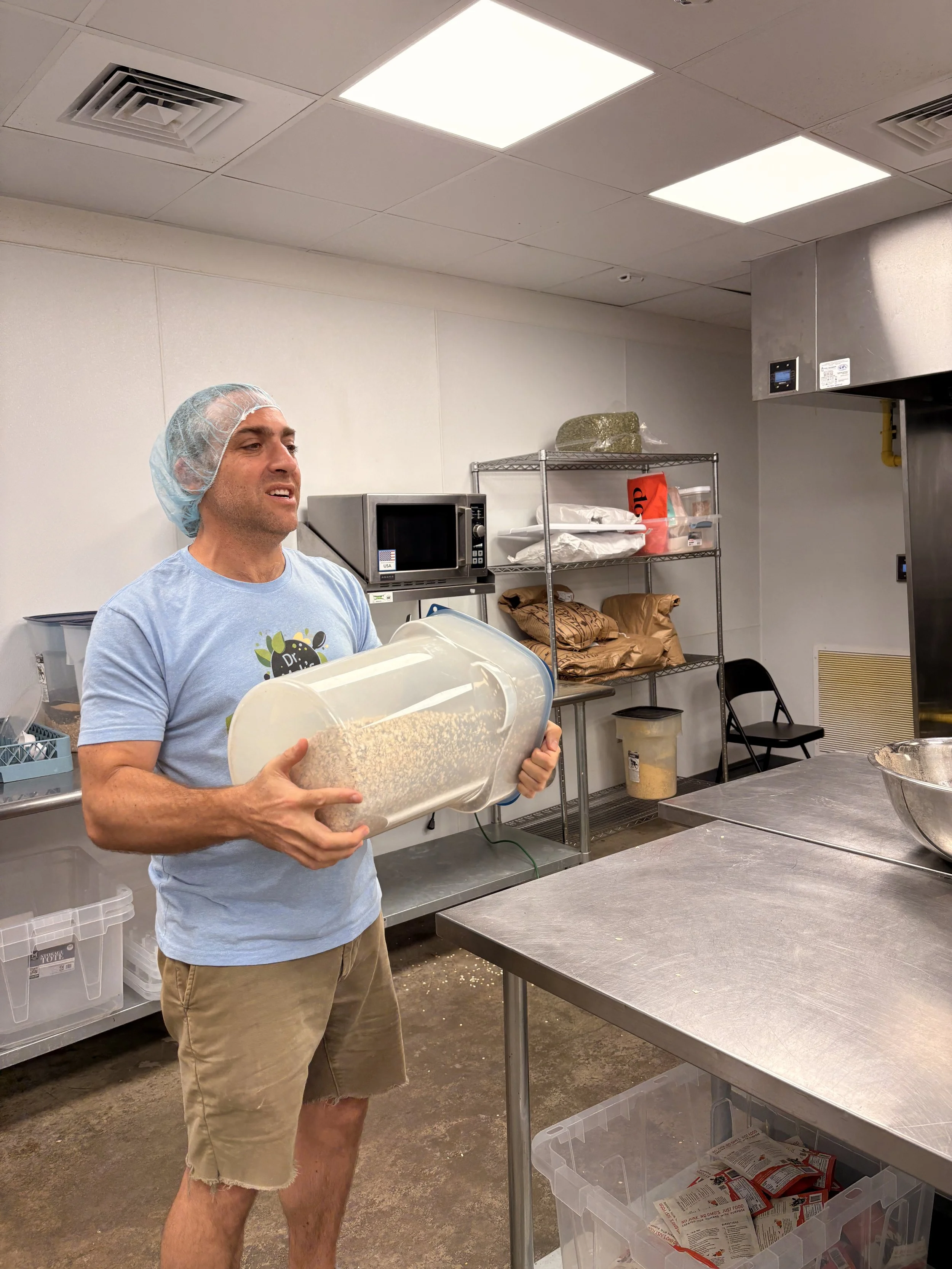
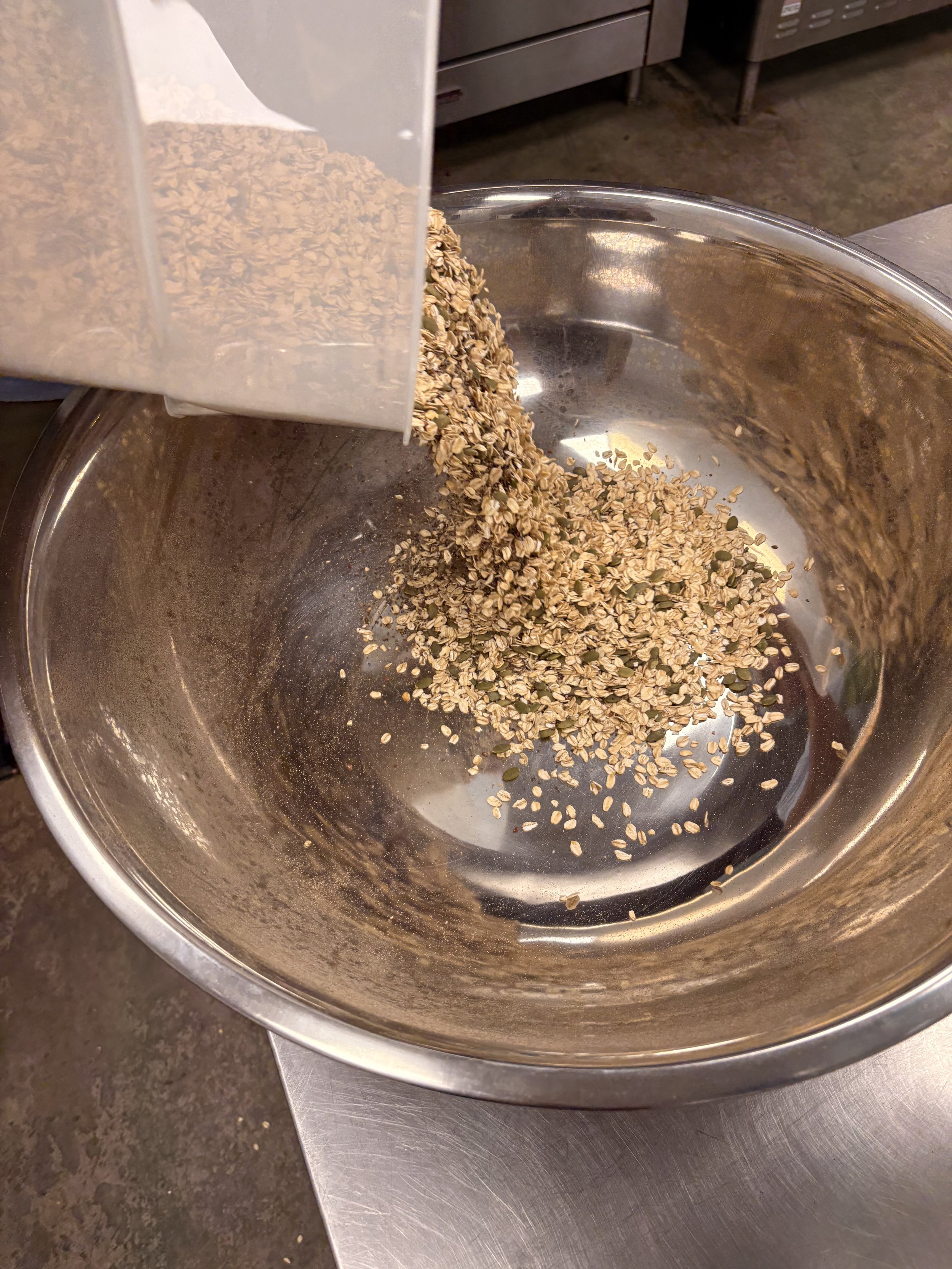
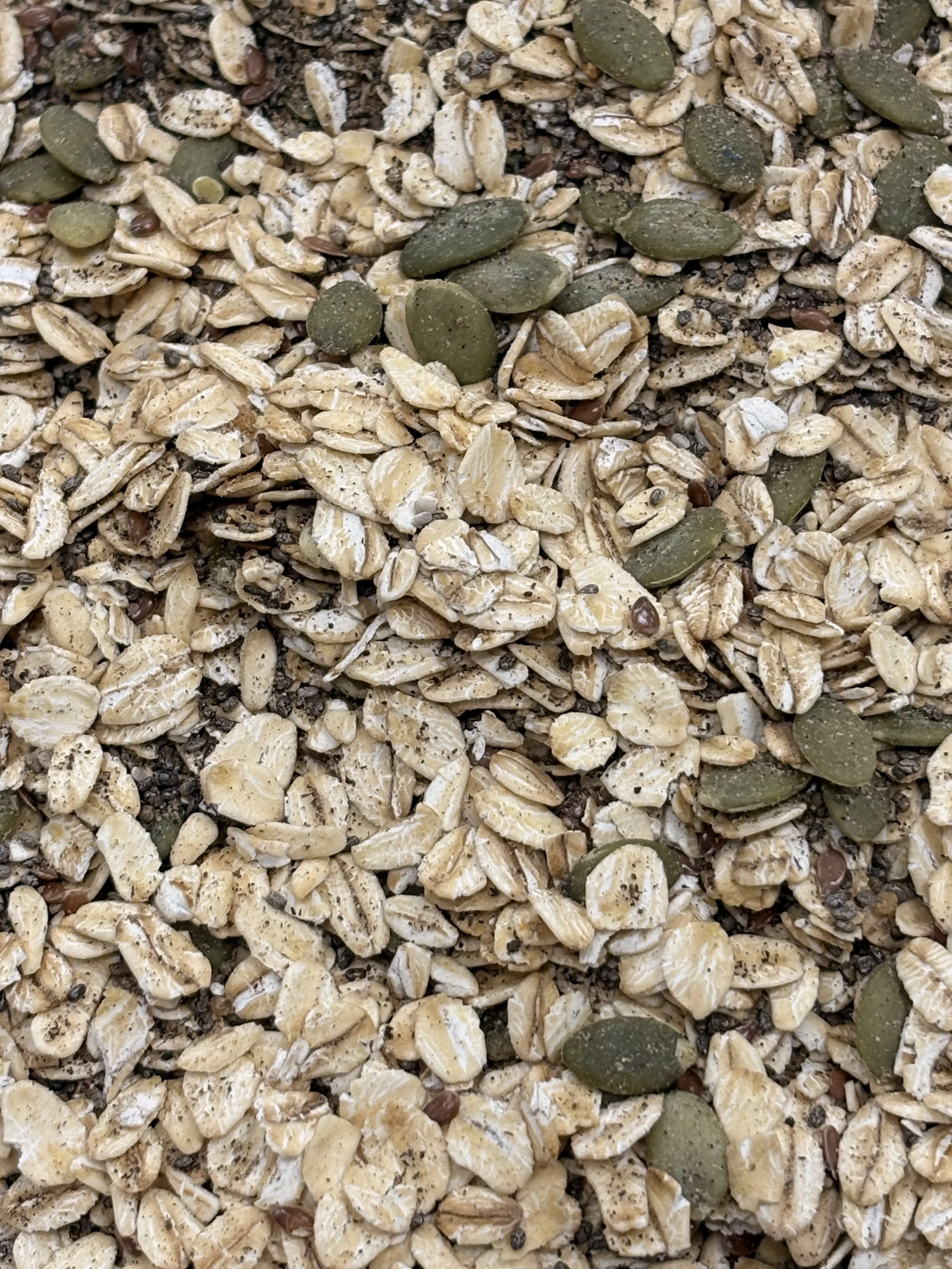
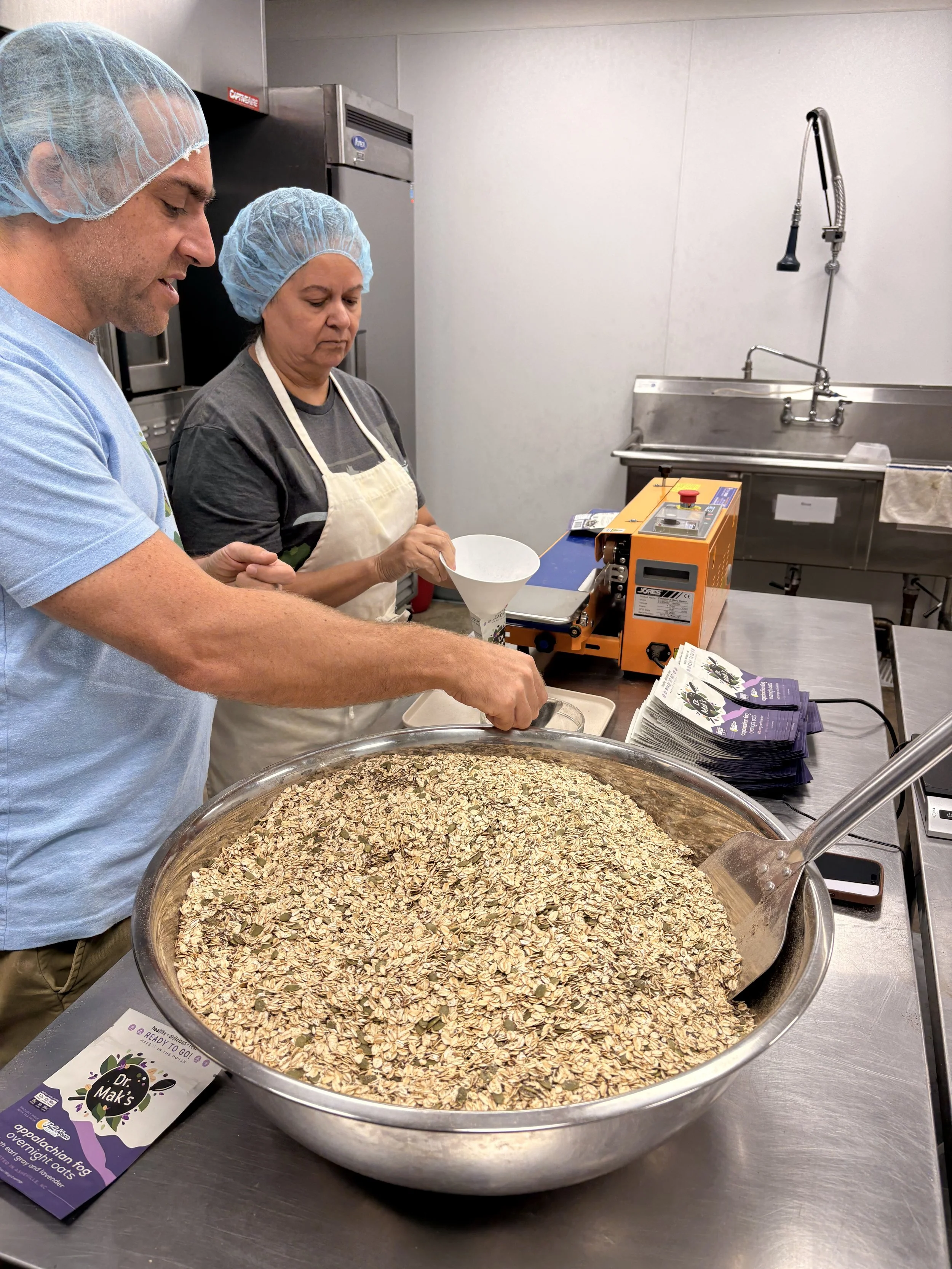
Ultra-processed foods are more controversial. NOVA is a research classification system that considers the purpose and extent of processing rather than nutrient content alone. It broadly places foods along a spectrum—from whole or minimally processed foods to ultra-processed industrial formulations, which often contain refined or modified ingredients and additives not commonly used in home cooking.
Higher intake of ultra-processed foods is associated with poorer health outcomes, and one controlled inpatient trial found greater calorie intake and weight gain on an ultra-processed diet.
That is the lens used for Dr. Mak’s Cinnamon Overnight Oats: a whole-food, fiber-forward base with modest added sugar and sodium, alongside a clear need for individualization and opportunities around protein-rich pairing.
1. A simple nutrition foundation gives you room to build
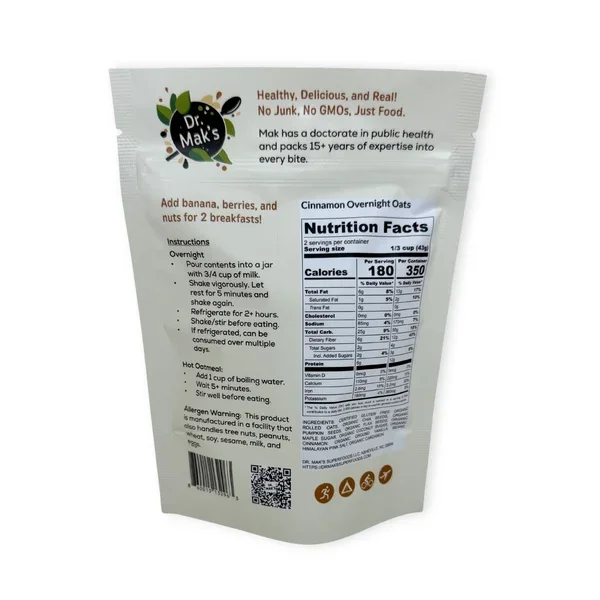
A typical serving (43 g) provides:
180 calories, 25 grams of carbohydrate, 6 grams of fiber, 6 grams of fat, and 6 grams of protein. It also contains 2 grams of added sugar, 85 milligrams of sodium, 110 milligrams of calcium, 2.6 milligrams of iron, and 180 milligrams of potassium.
Those numbers make it best understood as a flexible breakfast foundation—not necessarily a complete meal on its own.
What stands out most is the balance: the serving offers substantial fiber with relatively little added sugar or sodium, while leaving room to add protein, fruit, and other foods according to appetite and energy needs. Using the FDA’s general guide, 5% of the Daily Value or less is low and 20% or more is high. The reported 6 grams of fiber, or about 21% of the Daily Value, meets the high threshold; 2.6 milligrams of iron is about 15% of the Daily Value and makes a meaningful—but not high—contribution. Protein remains modest at 6 grams. Rather than judging the bowl by calories or carbohydrate alone, consider how the oat-and-seed base and your chosen pairings work together. Use the current package label for exact nutrient amounts and Daily Values.
2. Food-as-medicine advantages: Fiber diversity
Oats, chia, and flax all contribute fiber, but they do not behave identically. Oats contain beta-glucan, a soluble fiber that forms a gel-like material in the digestive tract. That property helps explain why the FDA recognizes a relationship between soluble fiber from qualifying whole-oat foods and reduced coronary heart disease risk when the food is part of a diet low in saturated fat and cholesterol.
Chia and flax add additional soluble and insoluble fibers. Together, these fibers may slow digestion, support regularity, and provide fermentable material for gut microbes. The important distinction is that no single serving “fixes” gut or heart health. Benefits emerge from the repeated pattern: enough fiber across meals, most days.
Fiber also changes how a carbohydrate-containing breakfast feels. A bowl built around intact oats and seeds generally provides more structure and staying power than a refined cereal with a similar carbohydrate count. But fiber is only one part of the response. Portion size, added toppings, sleep, activity, medication, and individual glucose tolerance can all affect what happens after a meal.
3.Evidence-based benefits: what the ingredients contribute
This balanced, whole-food base contributes several useful components within a sustainable eating pattern:
Soluble fiber, including beta-glucan. Oat beta-glucan forms a viscous gel in the digestive tract. Regular intake from qualifying whole-oat foods can help lower LDL cholesterol, while the blend's total fiber can support fullness, bowel regularity, and the gut-microbe environment.
Plant omega-3 essential fats. Chia and flax provide alpha-linolenic acid (ALA), an essential fatty acid. ALA contributes to heart-healthy fat intake. It is important to note that conversion to the marine omega-3s EPA and DHA is limited, so this bowl should not be presented as equivalent to fish or algae-based sources.
Flax lignans. Flax contains compounds that are being studied for antioxidant and hormone-balancing effects.
Polyphenols and warm spices. Cinnamon, cardamom, and vanilla contribute flavor and plant compounds. Herbs and spices are an excellent way to make a lightly sweetened bowl satisfying without requiring much added sugar or sodium, while also adding in extra anti-inflammatory and antioxidant benefits.
4. The ingredient list does most of the work
The ingredients list is clean and recognizable. From certified gluten-free organic rolled oats, to organic chia seeds, organic pumpkin seeds, organic flax seeds, organic maple sugar, organic coconut sugar, organic cinnamon, organic ground vanilla bean, Himalayan pink salt, and organic cardamom.
Notably, there are no protein isolates, artificial sweeteners, or long lists of texture agents or preservatives.
Each bite is nutrient dense. Chia and flax contribute alpha-linolenic acid, or ALA, the essential plant omega-3. Pumpkin seeds bring unsaturated fat, plant protein, iron, magnesium, and zinc.
Minimally Sweet. The two sweeteners, maple sugar and coconut sugar are still added sugars (their natural-sounding names do not change that). Yet dose matters. At only 2 grams per serving, the amount is modest and helps distinguish this blend from oatmeal products that use sweetness as the dominant flavor.
5. Six grams of protein is a meaningful starting base, not a full meal
This is where the package needs personalization. Six grams of protein is useful, especially from whole-food ingredients, but it is below the 20-30 gram meal benchmark that I often use with clients seeking to optimize metabolic health. For many adults, eating the oats alone may not provide the same satiety or muscle-supporting protein distribution as a more balance/protein rich bowl.
Step 1: The simplest upgrade is to add one meaningful protein source when meal planning, here are few ideas:
Prepare it with milk or a higher-protein fortified plant milk
Add Greek yogurt or a higher-protein plant-based yogurt
Serve it alongside hard boiled eggs, cottage cheese, or another protein-rich breakfast food.
Add hemp hearts, small handful of walnuts, pecans, almonds, or other nuts for crunch, unsaturated fats, and a modest protein boost! Alternatively, use seeds if you struggle with tree nuts, or a nut butter for easier digestion.
For higher needs, use a protein powder that fits your preferences and clinical plan.
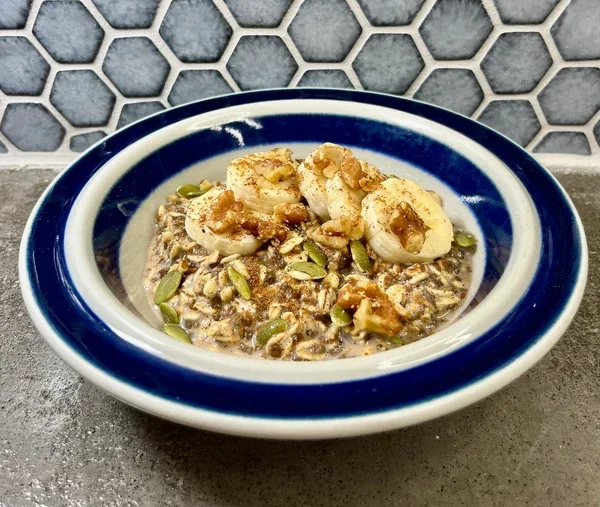
Step 2: Then continue to build out your unique bowl – try: fruit for flavor, color, and additional fiber—berries, chopped apple, pear, or pomegranates all work. A good goal is to build a mixed meal in which carbohydrate, protein, fat, and fiber work together to help you feel stable energy and satiety for hours later.
Four easy Food as Medicine upgrades – a few simple meal planning suggestions:
Berry-Hemp protein bowl: Stir in plain Greek yogurt or a higher-protein plant-based coconut yogurt, mixed berries, and hemp hearts. This adds protein, texture, fiber, and berry polyphenols.
Harvest Apple-Cinnamon-Walnut bowl: Top with diced apple, chopped walnuts, and extra cinnamon. It is an easy whole-food option for more crunch, soluble and insoluble fiber, and unsaturated fat, including some ALA from walnuts which also provide an antioxidant boost.
Anti-Inflammatory bowl: Combine unsweetened A2 kefir or a higher-protein plant-based coconut yogurt with raspberries and pomegranate seeds, freshly grated (or dried) ginger and turmeric, and finish with a sprinkle of extra ground flax and black sesame seeds. The kefir strengthens the protein contribution while offering fermented food microbiome support, while the fruits provide red polyphenols and the seeds add fiber, minerals and plant compounds.
Nutrition totals will vary by Dr. Mak's flavor, portion, yogurt or milk choice, and toppings. Use the current package and ingredient labels if exact protein, fiber, carbohydrate, or calorie totals are needed.
Adjust sweetness to taste
If your taste buds are asking for more sweetness, start with fruit: berries offer color, fiber, and a relatively modest carbohydrate load; pomegranate arils add tartness and crunch; and ripe farmers-market fruit keeps the bowl seasonal.
And/or boost up the spices -Cinnamon, vanilla, citrus zest, or unsweetened cocoa can deepen flavor before you add maple syrup, honey, or another sweetener like monk fruit or stevia. Choose portions that fit your appetite, glucose goals, and activity needs.
If you need tighter glycemic control
Treat the oats as a carbohydrate-containing starting place. Perhaps try a smaller portion paired with a substantial amount of protein (egs. nuts or seeds, eggs, yogurts, kefir, etc), which may support a steadier response than oats eaten alone.
Overnight oats are an example of a resistant starch, which may also aid in further glycemic control over a bowl of freshly prepared warm oats.
Keep an eye on fruit portions – encourage avoiding stacking several concentrated carbohydrate sources—such as banana, dried fruit, and added sweetener—in the same bowl when tighter control is the goal. Of course, individual responses vary with medication, activity, sleep, stress, and portion size, so use glucose data when clinically appropriate to personalize the meal rather than labeling the food simply “good” or “bad.”
A brief note for people using GLP-1 medications
GLP-1 medications can reduce appetite and slow gastric emptying, so a full, fiber-rich bowl may feel too heavy for some people—especially during medication initiation or dose increases. Start with a smaller portion, eat slowly, prioritize protein, and adjust added seeds, nuts, and fruit to digestive tolerance. Adequate fluids and overall nutrient density remain important when food intake is reduced.
6. A travel-friendly breakfast or snack foundation the whole family can get behind

The dry, shelf-stable mix is practical for hotel stays, flights, camping, and mornings without a full kitchen. Pack it in a sealed jar with a spoon, then add water, shelf-stable dairy or plant milk, or yogurt purchased at your destination. Portable pairings include fruit, nuts, or a single-serve nut butter packet.
For air travel, keeping it dry until after security is often simplest because prepared oatmeal may be treated as a liquid or gel; check current TSA guidance. Once mixed with milk or yogurt, keep it at 40°F or below and avoid more than two hours at room temperature.
The bottom line
Dr. Mak’s Cinnamon Overnight Oats is a fiber-forward, whole-food breakfast base made with a short list of organic ingredients. Its low sodium, modest added sugar, and shelf-stable format make it a practical option for busy mornings, travel, and meal preparation. Because it is made by an Asheville-based producer and sold through local retailers and markets, it also offers a practical way to support a smaller regional food business and the community network that helps local products reach more tables.
Its main limitation is protein: 6 grams is a starting point rather than a complete meal for many people. Pair it thoughtfully, adjust the portion to your appetite and health goals, and let the finished bowl—not one isolated nutrition number—determine how well it fits your day.
Try this balanced-bowl formula:
1. BASE
1 serving Dr. Mak’s Cinnamon Overnight Oats
2. PROTEIN
Greek or soy yogurt, milk, eggs, cottage cheese, or protein powder
3. PRODUCE
Berries, apple, pear, or your favorite seasonal produce
4. OPTIONAL
Extra chia, hemp hearts, walnuts, pumpkin seeds, pecans, or nut butter to match energy needs. Customize with your favorite spices for extra boost – try turmeric, ginger, or perhaps go savory with lions mane mushroom and miso.
Stay tuned:
Dragonfly Wellness Picks
A more thoughtful kind of wellness list
Join Dragonfly Wellness Picks for practical, curated recommendations.
This review is also the first featured food in Dragonfly Wellness Picks—a recurring series designed to make thoughtful health recommendations easier to discover and use. Each issue will share a small, curated group of foods, tools, resources, and practices that I genuinely find useful across nutrition, movement, rest and sleep, mindful living, and rooted wellness.
Visit dragonflynutritiontherapy.com and join the email list for new issues and practical Food as Medicine guidance.
Follow @dragonflynutritiontherapy for new picks, bowl-building ideas, seasonal foods, and behind-the-scenes market discoveries.
Look for future producer spotlights featuring lesser-known brands, regional makers, and products built around thoughtful organic or locally sourced ingredients.
The goal is simple: fewer overwhelming lists, more transparent recommendations, and practical ideas that help you nourish your body and cultivate your life.